As companies sharpen their focus on Environmental, Social, and Governance (ESG) goals and deepen their commitment to Diversity, Equity, and Inclusion (DEI), many still miss one essential piece: language accessibility.
At their core, ESG and DEI are about accountability, fairness, and inclusion. ESG measures how responsibly an organization operates across areas like sustainability, social impact, and corporate ethics. DEI initiatives aim to create fair, inclusive workplaces where people of all backgrounds can thrive.
However, when communication takes place in only one language, it may inadvertently limit the participation of employees, customers, or stakeholders who do not understand it, which may reduce the overall effectiveness of these frameworks.
Professional translation and interpreting are more than operational aids. They are strategic tools that help companies live out their values, support global teams, and build trust across languages and cultures.
How Language Access Supports ESG Commitments
Social: Equal Access and Engagement
The social dimension of ESG is about how a company impacts people—employees, customers, and communities. Language access plays a direct role in creating equity and ensuring everyone can participate.
When safety guidelines, HR policies, or training materials are available in multiple languages, employees are more likely to understand and apply them. Multilingual customer support builds stronger relationships and makes services more inclusive. Language inclusion isn’t just about avoiding misunderstandings; it’s about empowering individuals to take part in the conversation.
Governance: Transparency and Compliance
Good governance depends on clear and consistent communication. If policies, codes of conduct, or compliance procedures are only available in one language, they may not reach large parts of your workforce.
Translating critical documents and providing interpretation during key meetings help ensure that everyone understands their rights, responsibilities, and the company’s expectations. This supports transparency, builds trust, and reduces the risk of miscommunication or non-compliance.
Environmental: Smarter, Lower-Impact Communication
Language access can also support environmental goals. Virtual or hybrid interpreting for global meetings reduces the need for travel, which is often one of the largest sources of carbon emissions in corporate operations.
By choosing remote solutions or hiring interpreters locally, companies can reduce emissions while still supporting multilingual collaboration. This approach reflects a broader commitment to sustainability and innovation in how businesses communicate.
Language Inclusion as a DEI Strategy
DEI strategies aim to create environments where everyone can contribute, thrive, and feel they belong. Language plays a central role in that effort.
When teams operate in a multilingual setting, offering translation and interpretation ensures that all voices can be heard. It encourages collaboration, supports psychological safety, and creates a workplace where employees don’t feel they have to choose between authenticity and participation.
Language inclusion also strengthens recruitment and retention. Talented candidates are more likely to join and stay with organizations that recognize and support their linguistic and cultural backgrounds. Providing access to information in someone’s native language signals respect, builds loyalty, and creates a more connected workforce.
Practical Steps and Measuring Impact
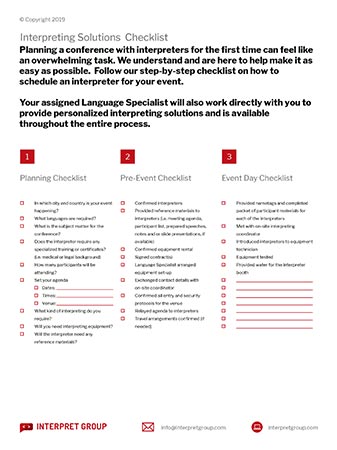
Bringing language access into your ESG and DEI efforts doesn’t have to be complex. Here are four steps to get started:
Identify Language Needs
Assess your workforce and stakeholder communities. Which departments, roles, or regions include speakers of other languages? Are key materials, like safety protocols, HR policies, or onboarding documents, available in those languages?
Plan for Language Support
Include translation and interpretation in your communication plans from the beginning. If you’re hosting a town hall, launching a global initiative, or releasing a report, consider what languages your audience needs to feel informed and included.
Work with Professional Providers
Choose language service providers who understand corporate settings and offer culturally sensitive, accurate translation and interpreting. Professional support ensures clarity, protects your brand, and enhances trust.
Track and Report Your Progress
Measure the reach and effectiveness of your language inclusion efforts. How many languages are supported? How many employees are accessing translated resources? Including this data in ESG, DEI, or corporate social responsibility reports helps demonstrate commitment and accountability.
Make Language Inclusion Part of Your Strategy with Interpret Group
Language inclusion is a practical way to bring ESG and DEI commitments to life. It promotes equity, supports compliance, reduces environmental impact, and fosters a workplace where everyone can succeed.
At Interpret Group, we help organizations create communication strategies that reflect the diversity of their teams and audiences. From global meetings and conferences to internal training to multilingual content, we provide interpreting and translation solutions that align with your goals.
If you’re ready to strengthen your ESG and DEI impact, we’re here to support you. Let’s work together to make your communication as inclusive and effective as your mission.